Only Two shots!! The application of corifollitropin alfa helps you to have a baby in the PP-IVF treatment.
1/25/2014 08:25:00 AM
Retrieving the oocytes with better quality has been a tendency in the IVF realm recently.
The quality of oocyte is before the quantity of oocyte.
Who said that IVF program equals to so many shots in your life?
Two shots are enough!

Having an appointment with doctor is not a good memory, because it is always linked with taking bitter medicines, or receiving painful injections. Those amiable nurses always said, "it won't be that dread as it looks. Trust me! It’s nothing more than being bitten by mosquitoes. Ok, take a deep breath...!!" And you have known the result - it was really painful until you pressed the puncture wound for several minutes. Most people couldn't forget the fearsome to take the injections.
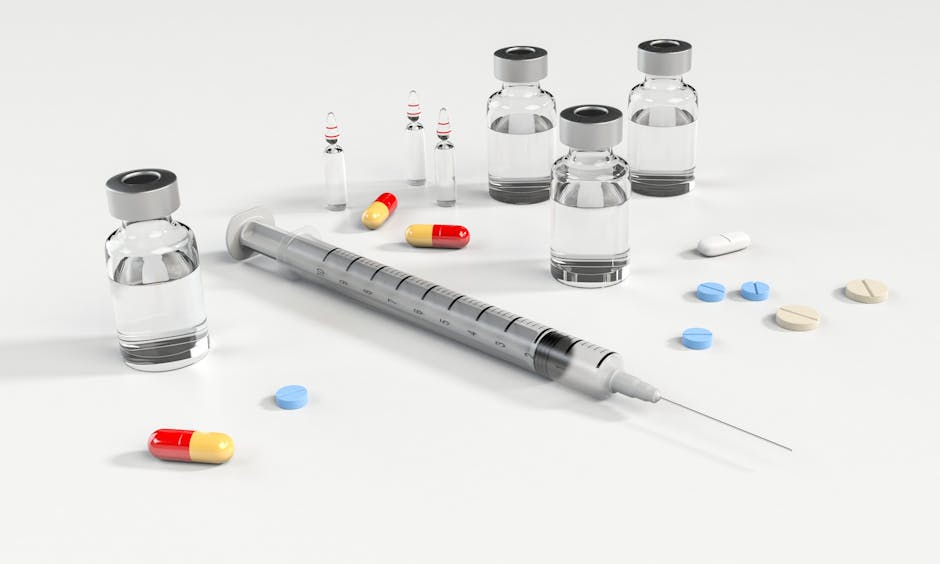
However, taking several injections is just the basic tips for the patients who are involved in the program of intrauterine insemination (IUI) or of in-vitro fertilization (IVF). Having one to three shots daily is one of the unbearable things besides waiting for the result of pregnancy test.
The primary follicle stimulating hormone (FSH) injection has been developed in 1950. Because of the unstable extracts, the quality of retrieved eggs was poor and the following results of embryo culturing were generally not good. The first generation of FSH shot was intramuscular injection, and it caused inflammatory reactions quite often. Until 90s, the 100% pure recombinant FSH shots have been released through the rapid growth of genetic engineering. It has not only increased the quality of retrieved eggs and the following cultured embryo, but also provided IVF patients a friendly operative method -- the injection pen. The easier way of taking shots encourages IVF patients to do the injections by themselves for saving the time costs, and the subcutaneous injection relieves the pain as well.

In spite of so many advantages of the recombinant FSH, the frequency of injection still couldn’t be reduced depending on the individual dosage. In 2011, a more advanced recombinant FSH, corifollitropin alfa (Elonva®), has been developed. It has a longer half life but with similar pharmacologic action in human body, which means that only one shot of corifollitropin alfa can stimulate the growth of ovarian multi-follicles for seven days. According to the official protocol, one shot of corifollitropin alfa plus several short-half-life FSH shots and antagonists of pituitary gland are required. But the frequency of injection seems not being reduced quite much.

Since February 2013, Stork Fertility Center has started corifollitropin-alfa protocol and has recruited clinical data from 200 IVF patients,
Maturation rate of retrieved oocytes (MR)
|
Good embryo rate of Day 3 culture (GER)a
|
Good blastocyst rate of Day 5 culture (GBR)b
|
|
Corifollitropin
alfa
|
72.4%
|
60.9%
|
59.1%
|
Traditional recombinant FSH
|
78.5%
|
61.3%
|
58.9%
|
bGBR: Inner cell mass at least > grade B, trophectoderm cell at least > grade C
(based on Gardner grading system)
 The different treatment was that we modified the original protocol as beginning with corifollitropin-alfa injection and supplementing the follicle growth with LH (Luveris) or antagonist (Cetrotide) based on the serum hormone results on D5/D7/D9. Then the frequency of injection has been efficiently reduced by accurate hormone control.
 Furthermore, Stork Fertility Center has improved this protocol as beginning with corifollitropin-alfa injection and following serum hormone control only in the recent half year. If the hormone results (E2, LH and P4) and the follicle size displayed rational values during the whole follicle inductive program, we only administer the final trigger shot in the end. Then the patients’ pressure to the IVF program and the cost of the medicine are friendly decreased.
Retrieving the oocytes with better quality has been a tendency in the IVF realm recently. The quality of oocyte is before the quantity of oocyte. Who said that IVF program equals to so many shots in your life? Two shots are enough!
Should I use Intracytoplasmic Sperm Injection (ICSI)? (ICSI in Taiwan)
1/14/2014 08:30:00 PM

Due to the changes of global climate and general living style, the quality of male sperm, including the morphology and the mobility, has become worse and it also decreased the fertilization rate in the IVF realm. Nowadays, intracytoplasmic sperm injection is the most common technique at ART labs ...
(Source: http://www.goivf.com/treatment-options/ivf-process/male-factor-icsi-tese/ )

Traditional treatments to the fertility problems caused by male factors were limited before 1992. It takes about 74 days to generate mature sperms at testes, so these male patients also needed to take such the same time to receive stimulation injections or oral medications. Thus their patience and perseverance were really the challenges to whom were eager to be fathers. Things were dramatically changed in 1992. Belgium doctor, Dr. Gianpiero Palermo, successfully fertilized the oocytes through Intracytoplasmic Sperm Injection (ICSI) and brought all the IVF patients to another milestone.

What is Intracytoplasmic Sperm Injection?
ICSI is to inject a single sperm with good shape and mobility into a mature egg (MII oocyte). Though this technique is developed for those with poor quality of sperms, it has become very popular for general IVF cases recently. Then many people may have the question about the appropriate conditions to use ICSI.
To make choosing embryo easier - Pre-implantation genetic screening (PGS in Taiwan)
1/07/2014 08:16:00 PM

How many embryos do you want to transfer? Which embryo do you want to transfer? Many IVF couples just looked down at the records of the frozen embryos with their puzzled faces, and finally decided to ask the technicians to help them to choose the best embryo for them.

IVF success 'downhill from age 37' finds Aberdeen study
12/11/2013 06:03:00 AM

The chances of a woman having a baby following IVF go "very rapidly downhill" from the age of 37, according to a study.
The University of Aberdeen study reports a woman's age affects the outcome of every single step of IVF. Researchers studied data from 121,744 women from across the UK.We found that age impacted on every single hurdle that has to be overcome during the emotional rollercoaster that is IVF”Prof Siladitya BhattacharyaUniversity of Aberdeen
They found the chances of having a baby following IVF start to decline by the time the woman reaches her mid-30s, but especially from 37. The team used data from women who underwent their very first cycle of IVF between 2000 and 2007 using their own eggs. The research found that even after a pregnancy has been confirmed, women aged 38-39 were 43% more likely to have a miscarriage than women aged 18-34, while women aged 40-42 were almost twice as likely to lose the baby as the younger age group.
Prof Siladitya Bhattacharya, of the Reproductive Medicine team at the University of Aberdeen who led the research, said: "IVF comprises a number of key steps, each of which has to be successfully achieved before the next stage can be attempted.
"We found that age impacted on every single hurdle that has to be overcome during the emotional rollercoaster that is IVF.
"This influence of age is sustained at each stage of the IVF process.
"There is no point during an IVF treatment - even in women who have done well in a preceding stage - when age ceases to matter.
"Age has the capacity to increase the risk of treatment failure even in women who respond to hormonal treatment, have eggs harvested and embryos replaced."
'Dynamic' prediction
He concluded: "Many couples want to understand how their chances of having a baby evolve over the course of an IVF treatment.
"Previous work has been able to offer a global prediction of success in IVF.
"We hope our study provides a more accurate and dynamic way of predicting a couple's chances of treatment failure as they negotiate each step of IVF."
(Source:http://www.bbc.co.uk/news/uk-scotland-north-east-orkney-shetland-25258483)
The relationship between maternal age and pregnancy rate:
1. In Taiwanese records, 38 years is the crucial cut-off point to achieve a
successful pregnancy. Based on the report of Taiwan Ministry of Health and
Welfare in 2007 to the women those undergoing IVF program, the pregnancy rate
of the women under 35 years was 45.8%, and that of the women over 40 years was
14.8%; the live birth rate of the women under 35 years was 35.9%, and that of
the women over 40 years was 7.4%. – The most important factor
to the quality of ovaries and eggs is maternal age.
2. The solution to overcome the diminished ovarian decline is to "freeze the eggs" beforehand. If we can store our eggs through the recent cryo technique, we can arrange our life schedule flexibly and decrease the expenses to get pregnancy in the future.
How to choose the most appropriate clinical center to store my eggs?
1. Center with higher pregnancy rate in IVF realm
2. Annual cycles of frozen-thawed embryo transfer over 100, and live birth rate over 40%
3. Professional manager team
4. Individual storage space
5. Annual frozen-thawed case report