Showing posts with label Japan. Show all posts
Showing posts with label Japan. Show all posts
Across the sea, I stored my seeds (Part 2)
8/23/2016 06:37:00 AM

One of the differences between women and men is the attitude of making decisions.
Men are good at analysis, and women are good at observation.
While obtaining bountiful information,
most women encountered the mess of selection.
How to make decisions reasonably, not emotionally?
Calm down and do some calculations.
Never say never — Preimplantation genetic screening reveals the quality of embryos
7/05/2016 02:16:00 AM

Perseverance is the hard work you do
after you get tired of doing the hard work you already did.
One more try is the only shortcut to success.
"Hello, Celine."
I am a Japanese-speaking consultant at Icryobank (Overseas division of Stork Fertility Center). She was my first Chinese-speaking case from Hong Kong. When we first met, she insisted to take the autologous IVF treatment at age 42. We both knew that it would be a long and hard way to go, and many centers would just suggest patients with this age taking the donation program instead of autologous IVF. She did not give up.
Since then, I became her special agent.
ありがとう! Oocyte donation program helps me to have my baby.
5/23/2016 06:18:00 PM

I came to Taiwan with anxiety and stress caused by both the expectations and worries. There are language and cultural barriers between Taiwan and Japan. However, I brought my baby to cross the national boundaries, and finally took her home.
I am 44 years old, and has received infertility treatment for almost 10 years. In this year, no available oocytes could be retrieved after the ovarian stimulation. It seemed that this is the end to the journey. My Japanese doctor suggested me taking the oocyte-recipient program in Taiwan, which has not been legitimated officially in Japan. My husband rejected this suggestion in the very beginning, but I would like to take any chance to have our own babies. Finally, we came to the Stork Fertility Center in Hsinchu.
Give thanks in all circumstances (Egg donation)
8/03/2015 12:41:00 AM
 She is a 3S woman and fortunately met the Mr.Right in her forties. Her appearance is still young and beautiful, but the ovaries is becoming to decline
The 3S women are both intelligent and independent. They bravely pursue for excellent success in their career and professions, but always forget to think about their marriage.-(Single、Seventies [born in the 1970s]、Stuck)
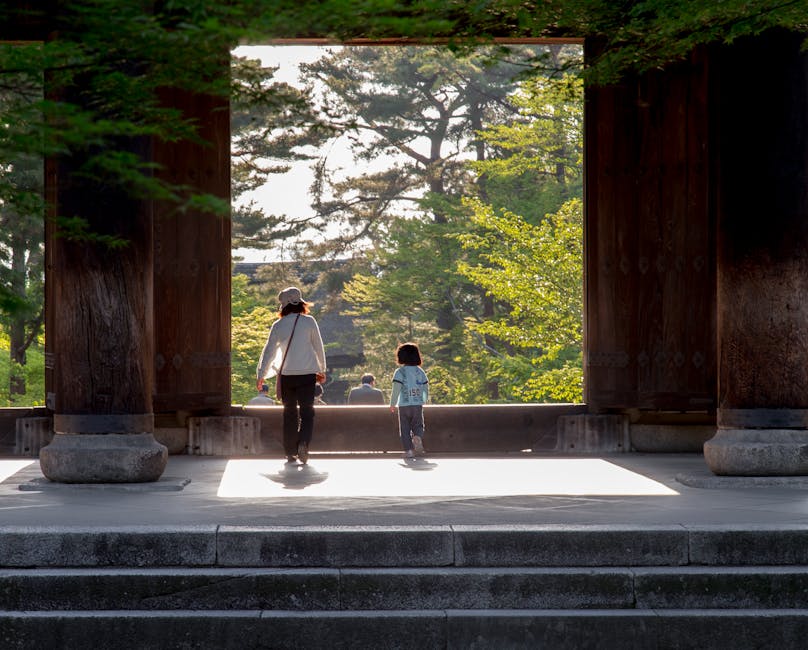 I married to a Japanese when I was 42 years old. My husband really likes kids and we hope that we could have a baby as soon as possible. But the problem is my age and irregular menses. When the doctor said that my AMH is only 0.16 ng/mL, which is approximate to the value in the menapause period, I started tearing up. Then I went home and tried to calm myself down.
In the next few days, I did so much online works, trying to figure out this problem. I suddenly found that egg donation is the only solution. However, egg donation was illegal in Japan, and thus I turned back to search for this service in my home country, Taiwan. I selected five popular fertility centers in Taiwan and made appointments for all of them. During the long vacation in Japan, I went back to Taiwan to "interview" all the candidates.
Eventually, I was impressed by Stork fertility center and made the decision after discussing with my husband. He came to cryopreserve the semen sample and also was surprised by the museum-like circumstances. He really appreciated that Taiwanese government provides the donation service and expected Japanese government to reconsider this necessity.
We didn't wait our donor for a long time. When I was suffering with my menopausal symptoms, my donor finished her donation program already. We were really grateful to hear that this lovely girl gave us eight embryos with wonderful appearances, frozen in the liquid nitrogen. My thoughtful agent and specialist instructed me step by step, including the exams for fallopian tubes and uterus. We hope that the precious embryo could implant into a cozy environment.
One of the advantages of freezing-embryo was that I could came back to Taiwan when I was totally free from my business. Probably because of the well preparation, I got my positive pregnancy test after the first cryotransfer. In this October, our little baby is coming to join this family, and I am going to celebrate my 44-year birthday as well.
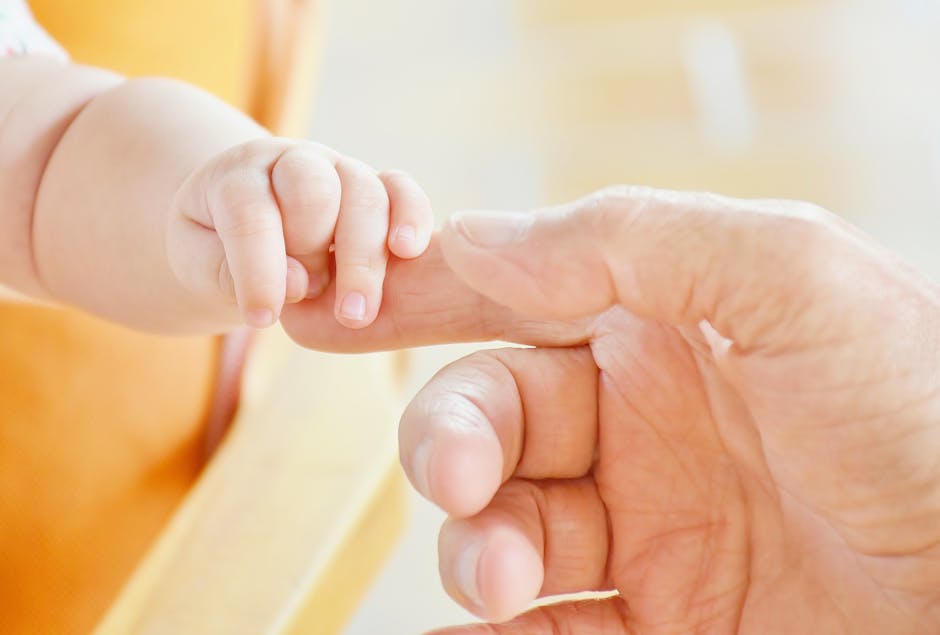
We are lucky to have our own baby that soon. I strongly encourage those women who have a similar ovarian reserve result with mine to be open-minded to egg donation, and then you would enjoy being a mother soon.
More Japanese women freezing their eggs as inusrance for future pregnancies
8/05/2014 12:29:00 AMAs many put careers before family, move is seen as kind of 'insurance'
By Misa Ogawa
Pregnancy Rate
|
Mental Preparation
|
Expenses
|
Autonomy
|
Confidence
|
|
Egg Freezing
|
High
|
No
|
Low
|
High
|
High
|
Advanced
Maternal Age (IVF)
|
Low
|
Yes
|
High
|
High
|
Low
|
Egg Donation
|
High
|
Yes
|
Middle
|
Low
|
Low
|
Now that a national organization on reproductive medicine has formally allowed unmarried women to do so, women are increasingly becoming interested in freezing and preserving their eggs for future pregnancies.
Since November last year, women have been allowed to freeze their eggs without any medical reasons attached. The Japan Society for Reproductive Medicine adopted guidelines allowing women to preserve their eggs cryogenically if they are concerned about a decline in reproductive function due to age or other reasons, while discouraging those aged 40 or older from preserving eggs and the use of frozen eggs in women aged 45 or older.
“I want to prioritize my career right now, so egg freezing is like taking out insurance for the future,” a woman in her 30s said.
Previously in Japan, cryogenic preservation of ova was generally restricted to women who ran the risk of losing the functions of their ovaries because of radiation therapy for cancer and other diseases.
The society adopted the new guidelines because more people are getting married later in life, making it harder for many women to become pregnant after marriage.
Repro Self Bank, a Tokyo-based private institution, launched an egg-freezing program in May 2013 and has since received inquiries from more than 500 people. So far, about 70 women with an average age of 37 have had their eggs frozen.
It costs about ¥700,000 to preserve 10 frozen eggs for one year, including the cost of collecting the eggs for cryopreservation at an affiliated hospital. An additional fee of around ¥10,000 per egg is required to extend cryopreservation by one year.
➤ Learn more about Egg Freezing in Taiwan at Stork Fertility Center
At a seminar held by the institute in mid-July in Tokyo, women in their 20s and 30s listened closely as its head, Noriko Kagawa, 37, explained the low fertility rate for late births.
A 32-year-old married businesswoman who attended the seminar said she has prioritized her career over raising a family as she thought “getting pregnant would be a handicap” at her male-dominated company.
But since her husband wants a baby, she thought about preserving her eggs “as insurance in case I can’t get pregnant naturally in the future.”
Participants in such seminars also include unmarried women and those concerned about growing old.
At Kyono Art Clinic facilities in Sendai and Tokyo, more than 10 healthy women have preserved their eggs cryogenically since last fall.
“Many women have a sense of urgency, wanting to freeze their eggs right away,” said Koichi Kyono, the clinic’s head.
Suggesting that many women do not have sufficient knowledge of the decline in egg quality and fertility rates that accompany aging, Kyono said, “Considering the physical strength needed to give birth and raise a child, it is better to become pregnant by natural means before around 34 years of age.”
Experts also warn that cryogenic preservation can lead women to procrastinate over giving birth and point out that the risks associated with becoming pregnant increase with age.
“Women may feel relieved by freezing their eggs, but they need to be aware that not only eggs but also the womb and veins get old,” said Ran Kawai, 54, a journalist well-versed in childbearing issues. “I want them to have a clear understanding of the risks involved in having their baby later in life.”
At a seminar held by the institute in mid-July in Tokyo, women in their 20s and 30s listened closely as its head, Noriko Kagawa, 37, explained the low fertility rate for late births.
A 32-year-old married businesswoman who attended the seminar said she has prioritized her career over raising a family as she thought “getting pregnant would be a handicap” at her male-dominated company.
But since her husband wants a baby, she thought about preserving her eggs “as insurance in case I can’t get pregnant naturally in the future.”
Participants in such seminars also include unmarried women and those concerned about growing old.
At Kyono Art Clinic facilities in Sendai and Tokyo, more than 10 healthy women have preserved their eggs cryogenically since last fall.
“Many women have a sense of urgency, wanting to freeze their eggs right away,” said Koichi Kyono, the clinic’s head.
Suggesting that many women do not have sufficient knowledge of the decline in egg quality and fertility rates that accompany aging, Kyono said, “Considering the physical strength needed to give birth and raise a child, it is better to become pregnant by natural means before around 34 years of age.”
Experts also warn that cryogenic preservation can lead women to procrastinate over giving birth and point out that the risks associated with becoming pregnant increase with age.
“Women may feel relieved by freezing their eggs, but they need to be aware that not only eggs but also the womb and veins get old,” said Ran Kawai, 54, a journalist well-versed in childbearing issues. “I want them to have a clear understanding of the risks involved in having their baby later in life.”