Stork Diary.
to Share Stork Life Events
Showing posts with label IVF Procedure Aboard. Show all posts

Advance examinations for IVF at 2020

EMMA and ALICE


What is EMMA (Endometrial Microbiome Metagenomic Analysis)?

The test is aimed to analyse the endometrial microbiome to help identify abnormalities associated with a poor reproductive prognosis.

 EMMA is a molecular tool used to determine whether the uterine microbial environment is optimal for endometrial health. This molecular method is based on detecting and measuring the amount of bacterial DNA present in the endometrial sample. 

Therefore, EMMA helps to determine when the endometrium presents a physiological bacterial flora. Lactobacilli accounts for less than 90% of the microbiotal in the endometrium which will lead to significantly decrease in pregnancy rate.

If the result comes back indicated “ ABNORMAL ENDOMETRIAL MICROBIOME” , doctors can provide appropriate probiotics suggested by the report for the patient to use in order to create a better endometrium environment for later implantation. 

Why use EMMA test?

  • EMMA uses the latest Next Generation Sequencing (NGS) technology to provide endometrial microbiome information by analysing the complete profile of the bacteria present in the tissue

  • EMMA can determine the percentage of Lactobacillus present in the endometrium; low proportions of Lactobacillus are associated with lower pregnancy rate. 

  • EMMA includes the ALICE test, so it indicates the possible presence of bacteria that can cause chronic endometritis, further other pathogenic bacteria.

  • If the endometrium is non-Lactobacillus dominated, the report will suggest the adequate treatment for each patient

  • EMMA will determine whether the uterine microbial environment is optimal or not for embryo implantation

Who should use the EMMA?

  •  Patients with repeated implantation failure (RIF)

  • EMMA can be beneficial for any patient wishing to conceive, by assessing the microbiological environment that the embryo will encounter at implantation

How is EMMA done?

Doctors will use pipelle endometrial suction curette to go into the uterus through vagina, acquire a small amount of endometrium samples. The whole procedure takes around 30 seconds to 1 minute. 


What is ALICE (Analysis of Infectious Chronic Endometritis)?

Chronic endometritis(CE)will lead to endometritis which is one of the reasons for infertility and under most circumstances patients do not appear with obvious symptoms.ALICE is  a test that detects pathogenic bacteria and recommends adequate treatment. In traditional IVF, doctors can not diagnose the bacterias  specifically, and can not prescribe the appropriate treatment. 

ALICE is a diagnostic test to detect and quantify the most common 8 pathogenic bacteria causing chronic endometritis, recommending appropriate antibiotic and probiotic treatment

  • -Enterobacteria (e.g. Escherichia, Klebsiella)

  • -Chlamydia

  • -Mycoplasma

  • -Neisseria

  • -Ureaplasma

  • -Enterococcus

  • -Streptococcus

  • -Staphylococcus

※  In cases of repeated implantation failure or recurrent pregnancy loss, chronic endometritis can rise to 66%.

Who should use ALICE?

  • ALICE can be beneficial for any patient wishing to conceive, by assessing the microbiological environment that the embryo will encounter at implantation.

  • ALICE may also be beneficial for patients with a history of recurrent pregnancy loss or recurrent implantation failure because chronic endometritis has been linked to these events.

How is ALICE done?

Doctors will use pipelle endometrial suction curette to go into the uterus through vagina, acquire a small amount of endometrium samples. The whole procedure takes around 30 seconds to 1 minute, it can be done with an EMMA test.

 Register:Oversea Form
 Facebook:e-Stork FB Page
WhatsApp:+886-905-737-501
Stork Fertility Center Stork Fertility Center Author

Checkups for Infertility couples


  • Female
 Hysteroscopy (H-scopy)
Purpose:
H-scopy uses a hysteroscope to examine if the uterus and uterine lining are normal. There is a direct correlation between the condition of the uterus and embryo implantation. 

Procedure:
Patient will be asked to lie on her back on the examination table with feet raised and supported by stirrups, similar to a pap smear or vaginal exam. An optical instrument connected to a video unit with a fiber optic light source is inserted to check the conditions of the uterus.

If only a simple examination is required, there is no need for anesthesia. The whole process takes about 3 mins, after which, the patient is asked to rest for another 30 mins. For further examination and operation, anesthesia will be administered and the process will take about 5 mins. Resting period is an additional 1-2 hours.

When to test:
Best time to test is after the last menstrual cycle and before ovulation takes place for the next cycle. If it is a regular cycle of 28 days, the best time will be in the morning of the 7th to 11th day.


Cervical cultures


Purpose:
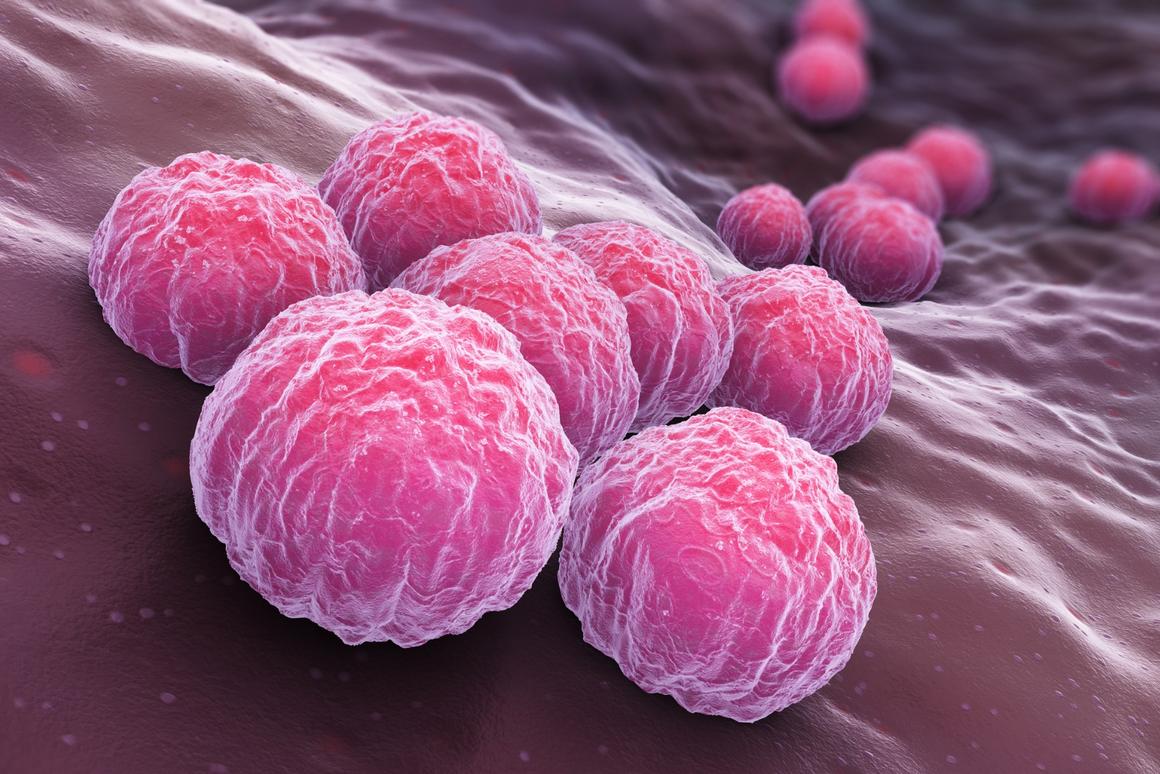
Inflammation of female genital tract includes viginitis, cervicitis, salpingitis and pelvic inflammatory disease (PID). Chronic inflammation may cause endometirum polyp(s), tubal adhesion, obstruction and/ or hydrosalpinx, etc. Bacteria, Chlamydia trachomatis and human papillomavirus (HPV) are 3 most common pathogens.


Auto-immune system 

Purpose:
Through blood tests, we can determine whether patients' immune system is normal or not. Some patients' immune system will attack embryo after implantation, which will affect its bedding procedure or even cause miscarriage.

We suggest blood tests if you have any of the following symptoms : 
1. infertility with unknown reason, advance age, premature ovarian failure, constitution allergy
2. Recurrent miscarriage or habitual abortion ※Def :  ≥ 2 miscarriages within AP20wks 

What items are included in the blood test ? 


1. Anti-Thyroglobulin antibody (ATA)
2. Anti-Thyroid peroxidase antibody (Anti-TPO)
3. Anti-Extractable nuclear antigen antibody panel (Anti-ENA)
4. Anti-Thyroglobulin antibody (ATA)
5. Anti-Thyroid peroxidase antibody (Anti-TPO)
6. Anti-Extractable nuclear antigen antibody panel (Anti-ENA)
7. Anti-Phospholipid antibody (APS)
     -Anti-b2 glycoprotein IgG/IgM (B2GP)
     -Anti-cardiolipin IgG/IgM (ACA)
     -Lupus anticoagulant


Blood test for couples’ chromosome
Based on stats, over 70% of spontaneous abortion are related to abnormality of fetus’ chromosome. It is important to check for couples’ chromosome if you have any of the following symptoms:
  1. Infertility with unknown reason, poor sperm quality, azoospermia 
  2. Fail implantation with accumulated 4 GBR or 2 blastocysts with normal chromosome
  3. Recurrent miscarriage or habitual abortion Def :  2 miscarriages within AP20wks


  • Male 
Blood test- hormone levels
For patients that cannot find sperm at multiple sperm analyses, doctor collect the first will collect urine sample after ejaculation, to eliminate the possibility of obstructive azoospermia. After that, blood tests are suggested to evaluate patient’s spermatogenesis.  


How to read the reports?


Dysfunction of hypothalamus or pituitary gland (lack of hormone to produce sperm)
Blood test results
Low in FSH & LH
Low in Testosterone
High in PRL
Treatment
Treat with injections (retain hormone supplies)
Treat with medicines
 Transfer to oncology after Docotr`s evaluation
Dysfunctional testiculus   
Blood test results
 High in FSH & LH
Testosterone normal or lower than average
High in PRL
Treatment
Treat with injections + MESA /TESA
IVF with donated sperm
Treat with medicines


Ductus deferens blockage

Blood test results
Normal in FSH & LH
Normal in testosterone
Treatment
MESA /TESA


Blood test for couples’ chromosome
Based on stats, over 70% of spontaneous abortion are related to abnormality of fetus’ chromosome. It is important to check for couples’ chromosome if you have any of the following symptoms:
  1. Infertility with unknown reason, poor sperm quality, azoospermia 
  2. Fail implantation with accumulated 4 GBR or 2 blastocysts with normal chromosome
  3. Recurrent miscarriage or habitual abortion Def :  2 miscarriages within AP20wks


Stork Fertility Center Stork Fertility Center Author

[Consultant Sharing] Sperm finally meet Egg with ICSI


I have been with the Stork for couple months , but I don’t have an insight into the knowledge about infertility. In addition, “Joy is a medicine! The happiest thing for Stork is seeing patients are all pregnant.” is a slogan for our Tuesday meeting. Therefore, the purpose of our morning meeting is discussing the unexpected/ unsuccessful case and then finding the reasons and creating improvement plans to provide the best service for our patients.
At one meeting, our doctor and colleagues shared the story of your good news and your treatment. It was impressive and I would like to know more about your case. Thus, I found your treatment and experience was not easy/ was quite tough before you came to Stork. Based on the case, You have tried 4 times IUI, 4 times egg retrieval and 3 times transferred. Actually, it was pretty good; There were around 10 eggs for every egg retrieval. However, all the embryo couldn't grow until day 5, So the doctor only could transfer day 3 embryo which were not fully developed. Nevertheless, the outcome didn't meet your expectations. You are 37 years old now and decided to come to Taiwan for giving yourself another chance to complete your dream.
As your former experience of IVF, after meeting with Doctor and finishing all required physical check,  You had to bring all the injection and medicine back for your first step of the treatment. The treatment went well. Next month, you came back to Stork for your egg retrieval. Total 32 eggs were retrieved and 23 of them were mature. According to your previous experience, we noticed that your egg probably had obstacles of insemination. So our laboratory have decided to do "ICSI"
For normal insemination, our laboratory will create a model of simulating internal fertilization in female body, and then put sperm around the egg. After sperm’s internal competition, there's only one sperm will be selected  for fertilization. However, the obstacles of insemination as your case, the fertilization was not successful which was like when you are ready for a race, but you were eliminated at the beginning. Fortunately, a Belgian invented "ICSI" in 1992. It increased the rate of insemination and the pregnancy. Moreover, it help thousands of  couples who suffered from infertility.
With great care from embryo culture technicians, we observed there were total 20 healthy embryo. Finally, among these embryo, 14 of them turned into blastocysts. This outcome was great and We were so happy for you. After one month rest, you are ready for next step of treatment, transferring. After that, You selected two Day 5 blastocysts, 4AA and 4BA. After 2 weeks, the rate of your HCG showed 3926. You met your expectation, and then 3 weeks later, we detected 2 heartbeat when you were back for physical check. You spent less than half year, and finally gained satisfied result. We wish you could come back and bring your twin babies on Stork’s Annal Party.
At the end, I have to say your case encouraged me and I learned a lot from it as well; Life is not always like they way we want it to be, but everything will be alright. I learned Keep your faith, keep moving, and receiving strength from your mate. The good result will come and All the obstacles won't stop you anymore

Stork Fertility Center Stork Fertility Center Author

Why do I have miscarriages over and over again?


Being pregnant can be as a duck takes to water, however for many people, it can be easily achieved, but how to "safely reach full-term" seems to be a challenge that is harder than climbing up to the sky.
"Why do I have miscarriages over and over again?"
After having the examination, we found out that some mothers have problems with the immune system that is easy to attack the blastocyst and cause the miscarriage.

The process of pregnancy is a well-designed by the God. The reason why the blastocyst isn’t attacked by the immune system is mainly the barrier formed by the placenta between the fetus and the mother, which can make the immune system unable to identify the fetus as a foreign substance.
Through the effect of hormones, the blastocyst can peacefully coexist with the mother. The mechanism involved in the process is very complicated.  As long as one of them goes wrong, it will destroy the mechanism and allowing the immune system to produce antibodies against the blastocyst during pregnancy. Usually this immunoreaction may be normal before pregnancy.
Once pregnant, the defense mechanism begins to be so problematic that the blastocyst cannot continue implanting and cause abortion.

In general, there are many autoimmune diseases have a strong relationship to habitual abortion such as Antiphospholipid syndrome (APS), Systemic Lupus Erythematosus (SLE), Thrombotic Thrombocytopenic Purpura (TTP) and so on.
Due to the problem of the immune system, it is easy to form the thrombus, block up the blood vessels of the placenta, and cannot supply nutrients to the fetus. Or it can cause the placenta itself to become inflamed, produce antibodies to attack the blastocyst and lead to abortions.

In recent years, it has been discovered that there is an immunocyte in the mother's body called "natural killer cell (NK cell)". Under normal conditions, this immunocyte which is produced by the bone marrow in the blood plays the first line of defense to protect the human body. Induced by the thymus gland, it can attack foreign bacteria and viruses, or kill tumor cells. In addition to the NK cells in the blood, there are NK cell also existed in the uterus. Basically, the NK cells in the uterus are different from the one in the blood. It can not only avoid inflaming but also having considerable benefits for implantation. However, if there are excessive NK cells in the uterus, it may cause infertility or abortion.

Therefore, except for the examination of immune diseases such as complement system (C3, C4), antinuclear antibody (ANA), antiphospholipid antibody (APA) and anticardiolipin antibody (ACA), the concentration of NKcells in the uterus can be included in one of the examination items for habitual abortion.
As long as the concentration of autoantibodies in the body is too high, it's necessary to treat with the medication before pregnancy. The medication is including Aspirin, Steroid, Immunosuppressive drug or Heparin and some patients are suitable the Immune Globulin and Cancer Immunotherapy.

However, it's still a mystery in the medical field that what reasons cause the immunocyte to attack the blastocyst. Therefore, the immune problems and related treatments still need to be evaluated by professional physicians. To increase the pregnancy rate, it’s necessary to deal with it.


 Register:Oversea Form
 Facebook:e-Stork FB Page E-mail:en_service@icryobank.com WhatsApp:+886-905-737-501
Stork Fertility Center Stork Fertility Center Author

IVF journey x Eggs Collection


Do you know what eggs collection is?


Say simply, it is collecting good quality oocytes to freeze them. When the number of good oocytes is collected a certain number, starting to thaw these oocytes and then fertilize them.
What kind of situation that women need egg collection?
Let’s me tell you. We all know that ovarian function depends on women’s’ age. As the ages grow, ovarian function begins to decline. Also, the quality of oocytes is gradually getting worse.
Then how do we know our ovarian situation?

There is one important index called Anti-Mullerian hormone (AMH) which is produced by small growing follicles and granulosa cells in ovary we can refer to. 


Based on this index, we learn that AMH can be represented as the ovarian situation.
As result, on condition that our AMH is low, we have to seize the chance to collect the good quality oocytes while our ages are not too old (under 38 years old).
*If our age is more than 38 years old, that is completely another thing. What We should do is Blastocyst Collection, not egg collection.

Besides AMH, age can also convey the important sign to us. How many mature oocytes are enough for women to have a baby?
There is an index as below:


In view of this index, we should go further to know how to distinguish which oocytes are mature.
At first, we judge the cumulus-oocyte complex initially from I to III. Then by using enzyme to remove the cumulus, we can evaluate oocyte morphology and choose the oocytes which are in stage MII to frozen it.
*Only oocytes which are in stage MII is valuable and can be fertilized.

For whom is under 38 years old, the best way to enhance the pregnancy rate effective is egg collection.
According to these two indexes which is related to individual ovarian function, we will apply the individualized controlled ovarian stimulation (iCOS) to design the fittest protocol for each customer.
Besides the individually tailored treatment, we have the most simple and effective process for a customer who far from overseas.

The first time you come to Taiwan is for filling the relevant document and having a necessary examination such as hysterosalpingogram (HSG), and blood drawn. Subsequently, you would bring the injection and medicine back to your home. However, you don’t need to worry. There is a consultant would teach you how to operate the injection and take medicine.  
When the treatment starts, what you should do is having blood drawn and taking ultrasound on a specific day in your country for checking the development of follicular.
By checking the report with the consultant and doctor, the doctor would decide the date for oocytes retrieval.
The second time you come to Taiwan is for oocytes retrieval and having the rest of examination such as Hysteroscopy(H-scopy) and Cervical Bacteria Culture (3in 1).
For each eggs collection, you only need to come to Taiwan two times.


If you have further question in your mind, please contact us  
for more details or leave a message down below, we are more than willing to answer!


 Register:Oversea Form
 Facebook:e-Stork FB Page E-mail:en_service@icryobank.com WhatsApp:+886-905-737-501

Stork Fertility Center Stork Fertility Center Author

Getting Started with Stork Fertility Center (Examinations and FAQs)


STEP1. Contact Us

E-mail:en_service@icryobank.com

Upon Taiwan Artificial Reproduction Act, you need to prepare regarding documents to register IVF treatment in Taiwan, please contact our consultant team to request an appointment. Then, we will place you a personal consultant. Your consultant will evaluate your condition, help you with paper works before you come to Taiwan and arrange examinations during your first visit to Taiwan.


STEP2. The First Visit

Both you and your husband need to come to Taiwan during cycle day 7-11 of your menstrual period so that you could finish all examinations which doctors suggest at one time. Discussing with the doctor, get to know more detail of your personal IVF treatment. Meanwhile, we are going to analyze the sperm sample of your husband. Sperm analysis takes around an hour, so you will be notified about the result in the afternoon. Then, the sperm will be frozen for future insemination use. If it’s not allowed to be frozen, the husband should visit Taiwan again to collect the fresh sperm on the appointed insemination day.

 Following are the four recommended examinations for the wife:


1.Blood work
  • Blood type: confirm you and your husbands’ ABO and Rh type.
  • HIV,syphilis
  • TSH,PRL: If these two hormones exceed standard value, they will affect pregnancy rates and fetal development in gestation. You need to take medicines to control the level by the docotor's order.
  • Autoimmune-7: For unknown reason recurrent miscarriage or repeated implantation failure women.

2. 3 in 1 test
The embryo will go pass cervix during the implantation. Some organisms are normally in the vaginal area, but some can infect the embryo. 3 in 1 test includes:
      -  Cervical Discharge culture
      -  Chlamydia DNA inspection
      -  HPV inspection

Q. How does 3 in 1 test be performed?
A. A doctor will use sterile swabs take samples from the cervix. The samples will be sent to a lab in order to see if any abnormal bacteria, virus or fungus grow.

Q. What should I do if I have bacteria infections? 
A. A doctor may prescribe you a treatment, such as antibiotics or other medications for two weeks

Q. What should I do if I have Chlamydia infection?
A. Chlamydia will cross-infection by sexual intercourse. So the doctor suggests both you and your husband receive treatments of taking medicines together

3.Hysteroscopy(H)
Inappropriate uterus environment may be the reason for infertility. By a hysteroscope, doctors can directly observe the inside of the uterus and check if there are any polyps and fibroids.

Q. What are the common abnormal results? 
A. Polyps, uterine fibroids, adhesions and uterine malformations.

Q. What if I have polyps?  
A. The doctor will immediately remove polyps when you are be performed a general anesthesia, so you require NPO after midnight before Hysteroscopy test.

4. Hysterosalpingogram (HSG)
Hysterosalpingography is a minimally invasive procedure with rare complications. About 20~25% of women are infertility because of fallopian disorder. Through HSG, a doctor can see whether tubes are blocked or not and the whole uterus size.

Q. How do HSG be performed? 
A. A doctor will inject small amount of contrast medium into your uterus and it will flow through your fallopian tube. And then use X-ray to check your uterus and fallopian tube.

Q. What should I do if I have hydrosalpinx or blocked? 
A. Hydrosalpinx might jeopardize the embryo because substances will flow to uterus from inflammatory fallopian tubes. In this case, Laparoscopic tubal ligation and medication therapy are suggested. After the surgery, the pregnancy rate will raise effectively. 

Q. Does HSG hurts? 
A. Few people do feel pain during the procedure of. However, the nurse will prepare painkiller for you in advance to reduce your discomfort and Stork Fertility Center apply the nonionic contrast agent, the rate of occurrence of side effects has been proven to be lower than the traditional ionic contrast agent.


In the afternoon, our consultants will accompany you and your husband to complete all the notarization process. Also, at the first visit, you will bring the implantation medicine back to your country. When matching a suitable donor, you can start taking the medicine by doctor's order. In this way, when your second visit to Taiwan, your embryos will be transferred! 


If you have further question in your mind, please contact us  
for more details or leave a message down below, we are more than willing to answer!


 Register:Oversea Form
 Facebook:e-Stork FB Page E-mail:en_service@icryobank.com WhatsApp:+886-905-737-501


Stork Fertility Center Stork Fertility Center Author

POSTS