It's bitter-sweet to have a baby
3/18/2014 07:27:00 PM

Looking at the genuinely sweet smile on my baby's face,
I just felt indescribable joy.
If I didn't feel the warmth from this tiny thing,
I would think that I was still in my dream.
What is IUI?
2/26/2014 07:56:00 PMIntraUterine Insemination/IUI

What is IUI?
Although many have heard the term “Artificial Reproduction” before, majority do not fully understand it. Actually, it is a relatively simple concept – collected sperm is prepared by utilizing Swim-up Technique, Density Gradient or Centrifugation with Washing to separate potentially fertile spermatozoa from immotile ones and remove any bacteria, debris, chemicals and seminal plasma. Preparation improves sperm’s motility, increasing its ability to penetrate the oocyte.
Only selected sperm, with high forward motility will be inseminated to induce pregancy.

Who are candidates for IUI?
Couples must be legally married and healthy. The wife should have a normal uterus/ ovary/ fallopian tubes and the husband should have quality sperm (high count, good forward motility). Couples experiencing any of the below problems can utilize IUI to assist conception:
1) Cervical mucus scarcity or cervical stenosis
2) Irregular sex life and/or sexual disorder
3) Still failed to conceive despite trying to get pregnant for six (6) months
4) Unexplained infertility
5) Male infertility: low quality spermatozoa such as low forward motility and quantity, abnormal morphology, etc.
What is IUI?
Although many have heard the term “Artificial Reproduction” before, majority do not fully understand it. Actually, it is a relatively simple concept – collected sperm is prepared by utilizing Swim-up Technique, Density Gradient or Centrifugation with Washing to separate potentially fertile spermatozoa from immotile ones and remove any bacteria, debris, chemicals and seminal plasma. Preparation improves sperm’s motility, increasing its ability to penetrate the oocyte.
Only selected sperm, with high forward motility will be inseminated to induce pregancy.
Who are candidates for IUI?
Couples must be legally married and healthy. The wife should have a normal uterus/ ovary/ fallopian tubes and the husband should have quality sperm (high count, good forward motility). Couples experiencing any of the below problems can utilize IUI to assist conception:
1) Cervical mucus scarcity or cervical stenosis
2) Irregular sex life and/or sexual disorder
3) Still failed to conceive despite trying to get pregnant for six (6) months
4) Unexplained infertility
5) Male infertility: low quality spermatozoa such as low forward motility and quantity, abnormal morphology, etc.
Should I do surgery for cyst removal?
2/12/2014 11:52:00 PM
Different sequential changes due to different mechanisms cuasing damage to the ovarian reserve
Menstrual pain, painful intercourse, and frequently lower abdominal pain are not unfamiliar to the women who are suffering with endometriosis. Besides this annoying pains, the problem of infertility is another agony. Endometriosis is one of primary infertility causes, especially if one or both ovaries are involved, and ovarian endometriomas are found in 20% of patients with endometriosis. The most common symptoms is so called as chocolate cyst, which is built up by menstrual blood over months and years and turned to brown color.

Ruptures of ovarian endometrioma are associated with pelvic adhesion and infections, so many patients would like to remove the cyst to alleviate pelvic pain or improve spontaneous fertility. However, the most effective treatment modality to endometrioma is still controversial. The postoperative safety to the ovarian function and the recurrence of the disease are two unsolved problems. In the published article of Fertility and Sterility Journal (2013), the group in department of obstetrics and gynecology, Nagoya university, has reported the statistical data of the endometrioma patients undertaking cystectomy. They analyzed the AMH levels of these patients before and after the surgery to evaluate the effect. The patients with bilateral cystectomy showed significant reduced AMH than that of patients with unilateral cystectomy,
AMH (ng/ml)a
|
Unilateral
|
Bilateral
|
P-valueb
|
Preoperative
|
4.21
|
3.49
|
0.944
|
Postoperative one month
|
2.49
|
1.04
|
0.03*
|
Postoperative one year
|
2.72
|
0.9
|
0.92
|
b P-value < .05, statistic difference
Only Two shots!! The application of corifollitropin alfa helps you to have a baby in the PP-IVF treatment.
1/25/2014 08:25:00 AM
Retrieving the oocytes with better quality has been a tendency in the IVF realm recently.
The quality of oocyte is before the quantity of oocyte.
Who said that IVF program equals to so many shots in your life?
Two shots are enough!

Having an appointment with doctor is not a good memory, because it is always linked with taking bitter medicines, or receiving painful injections. Those amiable nurses always said, "it won't be that dread as it looks. Trust me! It’s nothing more than being bitten by mosquitoes. Ok, take a deep breath...!!" And you have known the result - it was really painful until you pressed the puncture wound for several minutes. Most people couldn't forget the fearsome to take the injections.
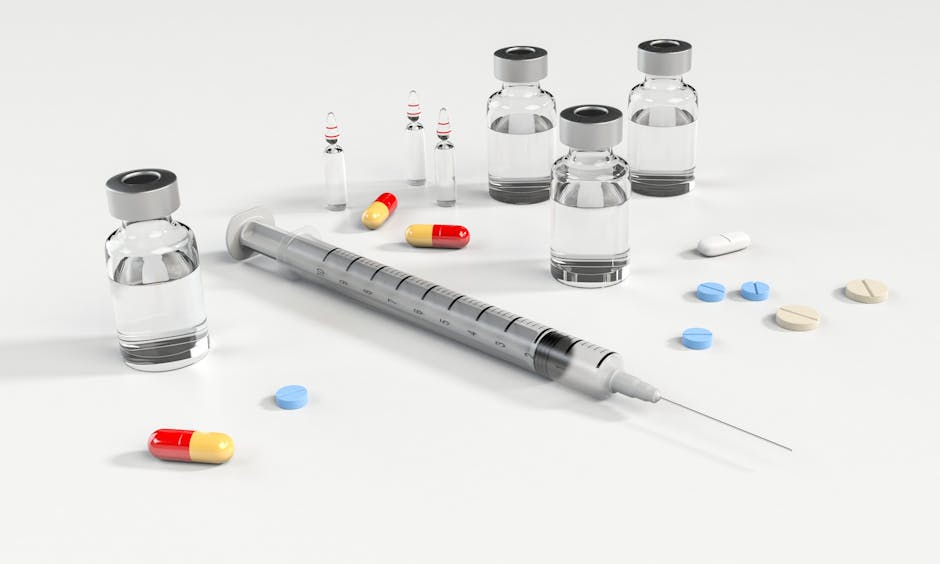
However, taking several injections is just the basic tips for the patients who are involved in the program of intrauterine insemination (IUI) or of in-vitro fertilization (IVF). Having one to three shots daily is one of the unbearable things besides waiting for the result of pregnancy test.
The primary follicle stimulating hormone (FSH) injection has been developed in 1950. Because of the unstable extracts, the quality of retrieved eggs was poor and the following results of embryo culturing were generally not good. The first generation of FSH shot was intramuscular injection, and it caused inflammatory reactions quite often. Until 90s, the 100% pure recombinant FSH shots have been released through the rapid growth of genetic engineering. It has not only increased the quality of retrieved eggs and the following cultured embryo, but also provided IVF patients a friendly operative method -- the injection pen. The easier way of taking shots encourages IVF patients to do the injections by themselves for saving the time costs, and the subcutaneous injection relieves the pain as well.

In spite of so many advantages of the recombinant FSH, the frequency of injection still couldn’t be reduced depending on the individual dosage. In 2011, a more advanced recombinant FSH, corifollitropin alfa (Elonva®), has been developed. It has a longer half life but with similar pharmacologic action in human body, which means that only one shot of corifollitropin alfa can stimulate the growth of ovarian multi-follicles for seven days. According to the official protocol, one shot of corifollitropin alfa plus several short-half-life FSH shots and antagonists of pituitary gland are required. But the frequency of injection seems not being reduced quite much.

Since February 2013, Stork Fertility Center has started corifollitropin-alfa protocol and has recruited clinical data from 200 IVF patients,
Maturation rate of retrieved oocytes (MR)
|
Good embryo rate of Day 3 culture (GER)a
|
Good blastocyst rate of Day 5 culture (GBR)b
|
|
Corifollitropin
alfa
|
72.4%
|
60.9%
|
59.1%
|
Traditional recombinant FSH
|
78.5%
|
61.3%
|
58.9%
|
bGBR: Inner cell mass at least > grade B, trophectoderm cell at least > grade C
(based on Gardner grading system)
 The different treatment was that we modified the original protocol as beginning with corifollitropin-alfa injection and supplementing the follicle growth with LH (Luveris) or antagonist (Cetrotide) based on the serum hormone results on D5/D7/D9. Then the frequency of injection has been efficiently reduced by accurate hormone control.
 Furthermore, Stork Fertility Center has improved this protocol as beginning with corifollitropin-alfa injection and following serum hormone control only in the recent half year. If the hormone results (E2, LH and P4) and the follicle size displayed rational values during the whole follicle inductive program, we only administer the final trigger shot in the end. Then the patients’ pressure to the IVF program and the cost of the medicine are friendly decreased.
Retrieving the oocytes with better quality has been a tendency in the IVF realm recently. The quality of oocyte is before the quantity of oocyte. Who said that IVF program equals to so many shots in your life? Two shots are enough!