Showing posts with label TSH. Show all posts
Showing posts with label TSH. Show all posts
Distance makes the hearts grow stronger
8/31/2017 03:17:00 AM

No distance is too far for the two loving hearts
If the love is true,
the distance is just the power of making people grow.
As the metro pulled out of the station, the man wrote "I love you" on the window. His girlfriend left on the platform, and still gazed into his eyes. It was always not easy to say goodbye for them, especially the following flashbacks after separation.
In the patients at our fertility center, some couples are living apart by necessity. Their husbands could be in the army, fisherman, or overseas businessman. The wives need to face the daily challenges bravely and maintain their home fully.
She was 37 years old and married her husband 7 years ago. They had no children yet. Before visiting us, she had tried IVF three times and undergone several embryo transfers at the other clinics. The ending of this journey seemed still unclear. The doctor arranged the hormone tests of AMH (as an index of ovarian reserves), Prolactin (PRL), and Thyroid stimulating hormone (TSH), to evaluate her body status.
Her PRL value was higher than the reference, suggesting that it might interferes the ovulation. Usually, the elevated PRL could be found in the women with breast feeding. However, the PRL could also increase in the women lack of sleep or under stress. The elevated PRL causes hypogonadism, possible anovulatory, and a decrease in menstruation.
The doctor gave her some medications for the hyperprolactinemia, and subsequent IVF treatment. With a declined AMH value as 1.63 ng/ml, the individualized controlled ovarian stimulation protocol was designed. Since her and her husband lived apart, the doctor planned the strategy of egg collection to fit their schedule. The capacity of female eggs are highly correlated with the maternal age. Therefore, the doctor recommends them to collect at least 15 eggs to increase the possibility of success pregnancy. If she would like to have two children, more eggs could be required.

Entering the IVF cycle again made her feel lonely and stressful. After work, she took the bus from Keelung to Hsinchu, and walked to our clinic. The commuting would take three hours every time. Thus she visited us late, and was always the last one at the clinic suite. The obvious exhaust and anxiety showed on her face. She was afraid that she could not catch the lastest bus up. We all knew that it was such a difficulty to her.
Five mature eggs were collected in the first cycle. In this egg retrieval, the doctor found some unsynchronized follicles with small size. Thus she went through the subsequent duoble-OPU to get the surplus eggs. Until she had 8 eggs, her and her husband decided to give a first try.
Her PRL value was higher than the reference, suggesting that it might interferes the ovulation. Usually, the elevated PRL could be found in the women with breast feeding. However, the PRL could also increase in the women lack of sleep or under stress. The elevated PRL causes hypogonadism, possible anovulatory, and a decrease in menstruation.
The doctor gave her some medications for the hyperprolactinemia, and subsequent IVF treatment. With a declined AMH value as 1.63 ng/ml, the individualized controlled ovarian stimulation protocol was designed. Since her and her husband lived apart, the doctor planned the strategy of egg collection to fit their schedule. The capacity of female eggs are highly correlated with the maternal age. Therefore, the doctor recommends them to collect at least 15 eggs to increase the possibility of success pregnancy. If she would like to have two children, more eggs could be required.
Entering the IVF cycle again made her feel lonely and stressful. After work, she took the bus from Keelung to Hsinchu, and walked to our clinic. The commuting would take three hours every time. Thus she visited us late, and was always the last one at the clinic suite. The obvious exhaust and anxiety showed on her face. She was afraid that she could not catch the lastest bus up. We all knew that it was such a difficulty to her.
Five mature eggs were collected in the first cycle. In this egg retrieval, the doctor found some unsynchronized follicles with small size. Thus she went through the subsequent duoble-OPU to get the surplus eggs. Until she had 8 eggs, her and her husband decided to give a first try.
Her husband came to our clinic for sperm collection and then the embryologists thawed her eggs to perform the following fertilization. They got 2 blastocysts and transferred the one grading as 5AB freshly.
She got pregnant by this good blastocyst!
Although this journey was hard to her, she insisted to continue. With such a brave heart, she is ready to be a mother.
Although this journey was hard to her, she insisted to continue. With such a brave heart, she is ready to be a mother.
Basic Examinations for Female
10/04/2013 01:14:00 AM
Basic Examinations for Female

1. Hormone Study
Purpose:
To estimate the rate of potentially successful pregnancy and if there are any hormonal imbalanaces that causes infertility.
Procedure:
Simple blood test.
The following is a list of items the doctor may possibly order to be tested in a hormonal study based on a patient’s existing symptons/ conditions:
· Anti-Mullerian hormone (AMH)
· Prolactin (PRL)
· Thyroid stimulating hormone (TSH) and/ or Free thyroxine
(Free T4)
· Auto-immune blood test
When to test:
Best time to test will depend on each patient’s condition and their hormone levels at various points during the menstrual cycle. The doctor will discuss further on testing schedule. In order to estimate the ovarian function by FSH, the 1st to 3rd day of the menstrual cycle will be used as a basis.
Reminders:
Certain periods during the menstrual cycle determine the type of hormone present at that time. Therefore, the best times to test for individual hormones will be coordinated according to each patient’s cycle. The doctor shall interpret the results based on his professional judgement.
2. Transvaginal Sonography (TVS)

Purpose:
Sonography (sona) is used to check the interval reproductive organs for any abnormalities, including the cervix, uterus, ovary and endometrium lining. It is also used to estimate ovulation period and measure uterine wall thickness.
Procedure:
· Patient will be asked to lie on her back on the examination
table with feet raised and supported by stirrups.
· The sona technician will cover the probe with a condom
and gel, and then, insert it into the vagina slowly. The probe sends out sound
waves, reflecting body structures to the computer, creating pictures.
When to test:
Best done on the 11th - 12th day of the menstrual period. TVS can be conducted once every 2 days until the oocyte reaches maturity.
Advantages:
Easy, convenient, economical and ovulation may be determined. Since it is using sona, there is no need to worry about x-ray.
Disadvantages:
None determined at the moment
Reminders:
TVS is done with an empty bladder.
3. Hysterosalpingography (HSG)

Purpose:
HSG is an X-Ray test to examine the condition of the fallopian tubes and uterus to determine if there are any blocked tubes, abnormal uterine structures or growths.
1/4 of infertility in women is caused by problems in their uterus or fallopian tubes.
When to test:
After menstrual period and before ovulation. If cycle is regular (28 days), it is best to conduct the HSG on the 7th -11th day of the cycle.
Advantages:
Easy, convenient and with 80%-90% accuracy.
Disadvantages:
There is a chance of inflammation, bloating and abdominal pain, headache or dizziness and a feeling of nausea. If conducted by an experienced doctor, potential for any pain is decreased. Since HSG uses an X-ray dye, it cannot be done to women having their menstrual period or too close to the onset of their cycle. With the advances in technology, HSG has become more accurate.
Reminders:
After HSG is done, rest and lie down for a few minutes to avoid any dizziness or headaches. Drinking lukewarm water can help. It is normal to experience slight abdominal pains and bleeding.
There are many ways to examine the fallopian tubes for any blockages and the uterus for abnormalities. HSG is one of the easiest and most accurate methods.
4. Hysteroscopy (H-scopy)

Purpose:
H-scopy uses a hysteroscope to examine if the uterus and uterine lining are normal. There is a direct correlation between the condition of the uterus and embryo implantation.
Procedure:
Patient will be asked to lie on her back on the examination table with feet raised and supported by stirrups, similar to a pap smear or vaginal exam. An optical instrument connected to a video unit with a fiber optic light source is inserted to check the conditions of the uterus.
If only a simple examination is required, there is no need for anesthesia. The whole process takes about 3 mins, after which, the patient is asked to rest for another 30 mins. For further examination and operation, anesthesia will be administered and the process will take about 5 mins. Resting period is an additional 1-2 hours.
H-scopy uses a hysteroscope to examine if the uterus and uterine lining are normal. There is a direct correlation between the condition of the uterus and embryo implantation.
Procedure:
Patient will be asked to lie on her back on the examination table with feet raised and supported by stirrups, similar to a pap smear or vaginal exam. An optical instrument connected to a video unit with a fiber optic light source is inserted to check the conditions of the uterus.
If only a simple examination is required, there is no need for anesthesia. The whole process takes about 3 mins, after which, the patient is asked to rest for another 30 mins. For further examination and operation, anesthesia will be administered and the process will take about 5 mins. Resting period is an additional 1-2 hours.
When to test:
Best time to test is after the last menstrual cycle and before ovulation takes place for the next cycle. If it is a regular cycle of 28 days, the best time will be in the morning of the 7th to 11th day.
Advantages:
H-Scopy is a higher form of test utilized for difficult pregnancies. It is very safe and accurate. There can be a 100% accuracy rate through visual examination via the hysteroscope.
New advancements in technology in H-scopy uses a smaller, thinner optical instrument of only 2-3mm diameter, thus, the procedure is almost painless.
Disadvantages:
Based on the findings, it is possible that patient will be asked to undergo further tests under anesthesia. There is a slim chance patient will experience some of the risks from the administering anesthesia, such as infection, allergic reactions and bleeding.
Slight bleeding during the period between an H-scopy procedure and the next menstrual cycle is normal.
Reminders:
For couples with continued problems in infertility for a number of years and who have opted for in-vitro fertilization (test tube baby), it is recommended that they undergo an H-scopy exam to determine uterus conditions.
Fasting is required for eight hours prior to an H-scopy exam – no food or water intake.
After the examination, slight bleeding or abdominal pains during the period between an H-scopy procedure and the next menstrual cycle is normal.
5. Cervical
cultures
Purpose:
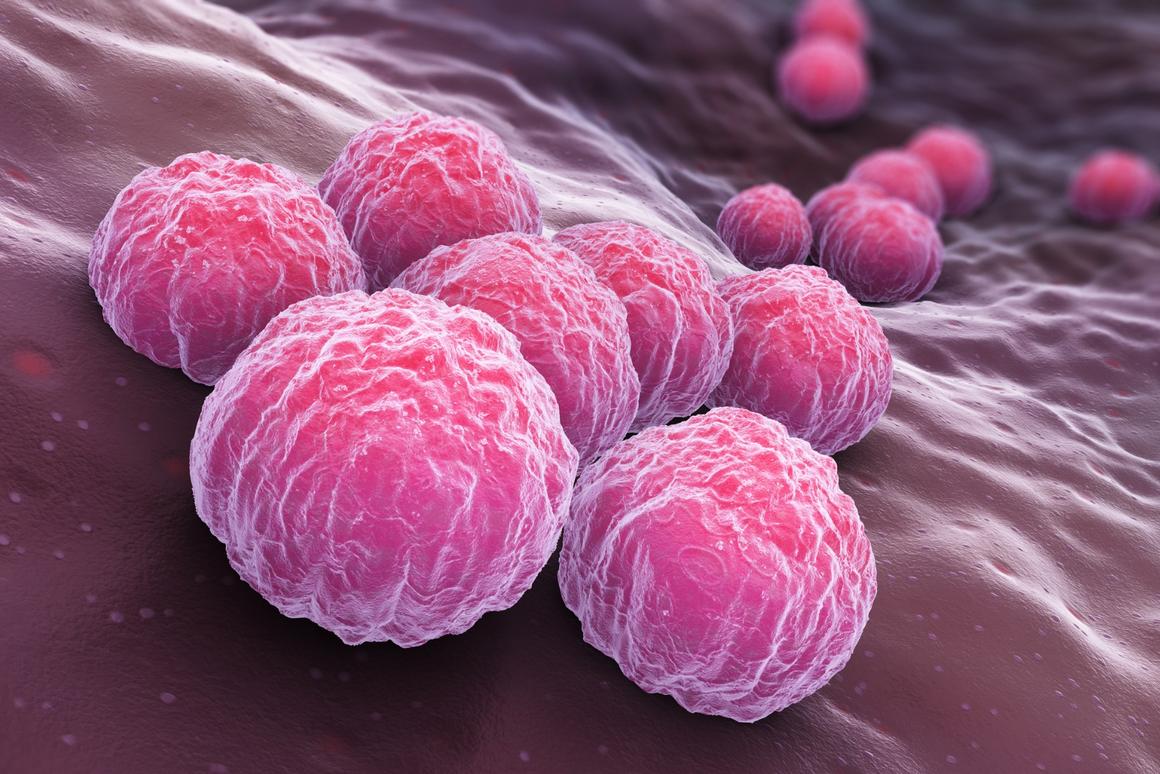
Inflammation of female genital tract includes viginitis, cervicitis, salpingitis and pelvic inflammatory disease (PID). Chronic inflammation may cause endometirum polyp(s), tubal adhesion, obstruction and/ or hydrosalpinx, etc. Bacteria, Chlamydia trachomatis and human papillomavirus (HPV) are 3 most common pathogens.
Procedure:
Similar to getting a pap smear. It takes about five (5) minutes and is not painful.
To collect a sample, the patient will be asked to lie on her back on the examination table with feet raised and supported by stirrups.
The physician will examine the vagina and genital area. A speculum will be inserted, gently spreading the vaginal walls apart to check the cervix. Using a cotton swab, sample will be swiped from the cervix.
(1) Cervical discharge culture
To check with bacterial infections such as yeast (Candidiasis), Gram-positive bacilli (GPB), E. coli, Streptococcus, Staphylococcus, etc. Antibiotic treatment is recommend when infection was found.
(2) Chlamydia DNA testing
Chlamydia is the most common bacterial sexually
transmitted disease. Chlamydia DNA testing is done to check if the bacteria
Chamydia trachomatis is present and causing any infections. This disease can be
passed on from infected mother to baby during vaginal childbirth. It may spread
to the upper genital tract causing PID which can cause scarring, infertility
and ectopic pregnancies if untreated. Antibiotic treatments for both husband
and wife are recommend when infection was found.
(3) HPV DNA typing
HPV is related to cervical cancer, genital warts (Condyloma) and many different kinds of cancers. HPV DNA typing is to detect if any HPV is present and to identify the type of the HPV. Low risk types: 6, 11, 42, 43, 44...; high risk types: 16, 18, 31, 33, 45, 51, 52, 56...Vaccination is suggested.
When to test:
Best done on the 7th to 11th day of menstrual period.
Advantages:
Easy test, similar to the pap smear, that can eliminate any suspicions of infection or abnormality in reproduction system.
Disadvantages:
Possible bleeding and false negative.
Reminders:
Infections in the reproductive system is very common and causes complications in conceiving, lowering the rates for successful pregnancy.
Most infections may not cause any symptoms in the beginning and may linger inside the body for years. Some symptoms that could eventually manifest are: cervical mucus or discharge, inflammation/ abdominal pain or urgent urination. This disease may remain undiscovered until the Fallopian tubes have become blocked.
Since infections may affect the development of the embryo, it is advisable to undergo this test prior to pregnancy.
Vagina should not be washed prior to testing in order to prevent any false negative results.
(3) HPV DNA typing
HPV is related to cervical cancer, genital warts (Condyloma) and many different kinds of cancers. HPV DNA typing is to detect if any HPV is present and to identify the type of the HPV. Low risk types: 6, 11, 42, 43, 44...; high risk types: 16, 18, 31, 33, 45, 51, 52, 56...Vaccination is suggested.
When to test:
Best done on the 7th to 11th day of menstrual period.
Advantages:
Easy test, similar to the pap smear, that can eliminate any suspicions of infection or abnormality in reproduction system.
Disadvantages:
Possible bleeding and false negative.
Reminders:
Infections in the reproductive system is very common and causes complications in conceiving, lowering the rates for successful pregnancy.
Most infections may not cause any symptoms in the beginning and may linger inside the body for years. Some symptoms that could eventually manifest are: cervical mucus or discharge, inflammation/ abdominal pain or urgent urination. This disease may remain undiscovered until the Fallopian tubes have become blocked.
Since infections may affect the development of the embryo, it is advisable to undergo this test prior to pregnancy.
Vagina should not be washed prior to testing in order to prevent any false negative results.
(please click for more info.)
1. PGS ( pre-implantation genetic screening)
Having a healthy baby is the expectation of each parent. PGS/NGS allows us to examine chromosomal abnormalities prior to embryo transfer, and thus improves the IVF outcomes.

2.
ERA (Endometrial Receptivity Analysis)
By Endometrial Receptivity
Analysis (ERA), which is a technique to analysis the gene of endometrial cell,
we can predict when is the window of implantation, the right time to transfer
the embryo.
 Register:Oversea Form
 Facebook:
 E-mail:
 WhatsApp: